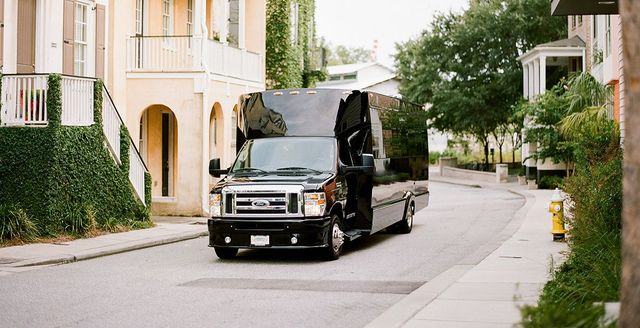
Organizing travel for a large group can be challenging when schedules, convenience, and coordination must work in harmony. Whether the occasion is corporate, social, or celebratory, transportation logistics often shape the first and last impressions of the experience. A well-organized plan helps reduce stress, keeps everyone on schedule, and creates a sense of ease for attendees. Transporting attendees involves more than logistics; it ensures smooth transitions and professionalism. Seamless planning lets guests enjoy the occasion without distraction from transportation challenges. Careful organization turns transportation into a natural, effortless component of the celebration.
Lowcountry Valet recognizes that meticulous planning is essential for effective event transportation. Coordinating groups over time proves that organization, clear updates, and flexibility produce exceptional results. Guests should experience travel as seamless, while significant planning occurs behind the scenes. Planning for anticipated needs keeps the schedule flowing and exceeds guest expectations. Well-organized transportation supports the ambiance and overall feel of the occasion. These tips guide hosts in orchestrating efficient, enjoyable events that guests remember.
Defining the Scope for Group Travel
The first step in managing group transportation successfully is understanding the full scope of the event. Identify the guest count, event style, and complete agenda. Recognizing variations in transportation needs ensures smoother planning. Guest expectations, arrival times, and departure windows all play an important role in shaping the plan. By clearly outlining these factors early, transportation can be aligned with the event’s flow rather than becoming an afterthought. Thorough planning creates a solid basis for subsequent choices.
It is equally important to consider the type of experience guests should have during transit. The journey helps build excitement and establishes the expected level of formality. Determining the desired atmosphere ensures travel aligns with the event style. The number of attendees is only part of the picture; multiple stops or staggered schedules require consideration. Careful planning ensures all guests are accommodated. This level of awareness keeps transportation aligned with the event’s purpose and energy.
Developing a Structured Travel Schedule
A detailed timetable keeps group transportation running smoothly. Establishing specific pickup and drop-off windows helps maintain structure while allowing room for minor adjustments. The schedule must align with the program and consider moving between sites. Matching transit with the timeline reduces interruptions and improves flow. Planning buffer time between movements reduces stress and helps accommodate unexpected changes. A thoughtful timeline keeps the entire group moving together without feeling rushed.
Communication plays a vital role in making a timeline effective. Guests and coordinators must be informed of travel details and schedules. Defined plans limit errors and delays. A well-communicated plan allows guests to relax, knowing their transportation has been thoughtfully arranged. Timelines also support drivers and coordinators by providing a shared framework for execution. When everyone operates from the same plan, logistics feel seamless and organized.
Choosing Appropriate Transportation for the Group
Choosing the appropriate vehicles is a key factor in group transportation success. The size of the group, the length of the journey, and the desired level of comfort all influence this decision. Sufficient seating and legroom promote comfort for all attendees. Amenities inside vehicles enhance the travel experience. Selecting vehicles that match the tone of the event reinforces consistency and professionalism. Appropriate vehicles elevate the group travel experience.
Accessibility is as important as interior space and comfort. Group transportation often includes guests with varying needs, making thoughtful planning essential. Easy entry and exit prevent delays and reduce stress. Uniform vehicle style reinforces professionalism. A coordinated fleet enhances perception of the event. Attention to these details reflects a commitment to guest satisfaction.
Coordinating Professional Chauffeurs and Support
Skilled chauffeurs are essential for managing flawless group transportation. Their experience allows them to anticipate challenges and adapt quickly when conditions change. Effective communication ensures drivers are aligned with timing and guest needs. Lowcountry Valet combines meticulous preparation with professional driving to keep operations smooth. Professionalism behind the wheel contributes to punctuality, safety, and overall guest comfort. Well-managed coordination instills trust among organizers and guests.
Operational support ensures reliability throughout the event. Ongoing communication between coordinators and chauffeurs allows adjustments to be made in real time. This flexibility helps keep the event running smoothly even when minor changes arise. Knowledgeable chauffeurs deliver calm and dependable service. The combination get more info of preparation and adaptability ensures transportation remains reliable. This method ensures reliability and reinforces a pleasant guest journey.
Ensuring Clear Communication with Guests
Effective messaging to guests ensures transportation success. Providing straightforward instructions helps guests know what to expect and where to be. Early information helps guests feel ready and assured. Consistent messaging reduces questions and prevents misunderstandings. Communication should be concise yet thorough, covering pickup times, meeting points, and general expectations. Well-informed guests contribute to smoother logistics overall.
Updating guests prior to the event improves alignment. Reminders help ensure everyone stays aligned with the transportation plan. This proactive approach demonstrates organization and attention to detail. Guests appreciate clarity, especially when navigating group movements. Effective communication fosters trust and cooperation among attendees. When guests feel guided, transportation flows more naturally.
Planning for Flexibility and Unexpected Changes
Unexpected developments can occur despite thorough preparation. Incorporating adaptability ensures travel remains smooth despite changes. Scheduling extra minutes helps maintain calm when changes occur. Foreseeing problems allows organizers to act with ease. Responsive logistics keep transportation consistent despite changes. Being flexible is key to professional event management.
Preparedness also includes having clear protocols for handling changes. Defined communication methods reduce disruption during changes. Adaptable scheduling ensures smooth operations and guest ease. Travel must remain consistent and dependable despite shifts. Steadiness in logistics reinforces an organized experience. Smooth operations increase guest satisfaction.
Maximizing the Impact of Transportation on Events
Transportation for the group directly affects event perception. Comfortable, timely transit establishes the right mood for the celebration. Ease, timeliness, and expert service enhance attendee enjoyment. Transportation should feel like an extension of the event rather than a separate component. Smooth transportation reinforces the purpose and energy of the gathering. Thoughtful planning elevates the entire experience.
At the conclusion, group travel contributes to a memorable ending. Organized exits ensure attendees leave satisfied. Lowcountry Valet maintains the same quality for departures as arrivals for a cohesive experience. Guests appreciate a smooth transition as the event comes to a close. Careful coordination underscores the importance of professional travel management. A well-executed departure completes the event experience with confidence and ease.